

Is Glass Abiotic Or Biotic
Is soil biotic or abiotic?
Soil is a mixture of organic and inorganic fabric that is constitute on the Earth's surface.
It is a vital office of the ecosystem and is home to many dissimilar types of organisms.
Soil can be biotic or abiotic, depending on the type of organism that lives in it.
Let's review the difference betwixt biotic and abiotic soil, and explore why it is important to know which 1 you are dealing with!
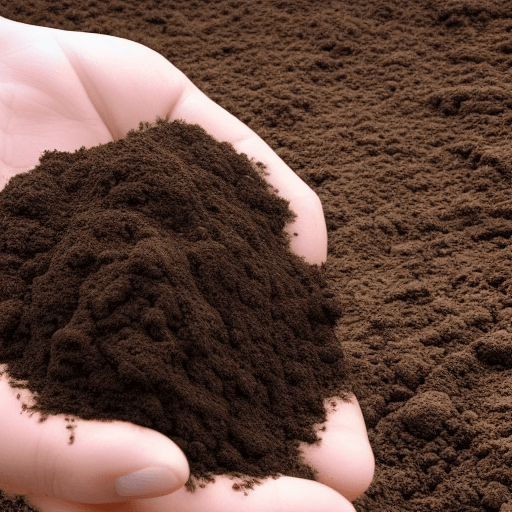
Soil is both biotic and abiotic.
The biotic portion of soil includes bacteria, fungi, and other microorganisms that contribute to decomposition and food cycling.
The abiotic portion of soil includes minerals, water, air, and organic matter.
Soil germination is a complex process that is influenced past both biotic and abiotic factors.
Is soil biotic or abiotic?
Soil is both biotic and abiotic
Abiotic factors include:
- temperature
- light
- water
- minerals
Biotic factors include:
- living organisms
- bacteria
- fungi
- plants
Together, these factors interact to create a complex and diverse ecosystem.
Soil can be idea of equally a living system; it is constantly changing and evolving in response to the surrounding environs.
The term "soil" refers to the top layer of the Globe's surface, which is composed of both organic and inorganic matter.
Soil provides a home for many different types of life, from microscopic leaner to large mammals.
Information technology is also an important resource for humans, providing the states with food, water, and shelter.
Is soil considered an abiotic or biotic factor?

Soil is a complex mixture of minerals, organic matter, water, and air.
It forms the essential environment for plant growth, providing nutrients, anchorage, aeration, and drainage.
Soil likewise moderates temperature and stores water. Although it is frequently considered an abiotic factor, soil actually contains a wide diversity of organisms that perform vital functions within the ecosystem.
These organisms include bacteria, fungi, algae, protozoa, and nematodes.
Together, they help to decompose organic matter, recycle nutrients, and provide Store water.
They as well help to moderate soil temperature and pH levels. In other words, the soil is both an abiotic and biotic gene.
Although the majority of organisms are beneficial, some can cause problems for plants by competing for resources or introducing diseases. For this reason, information technology is important to carefully monitor the health of your soil to ensure that information technology remains productive and supportive of plant life.
What is the difference between biotic and abiotic soil?
Biotic soil is composed of organic matter that comes from plant and creature life.
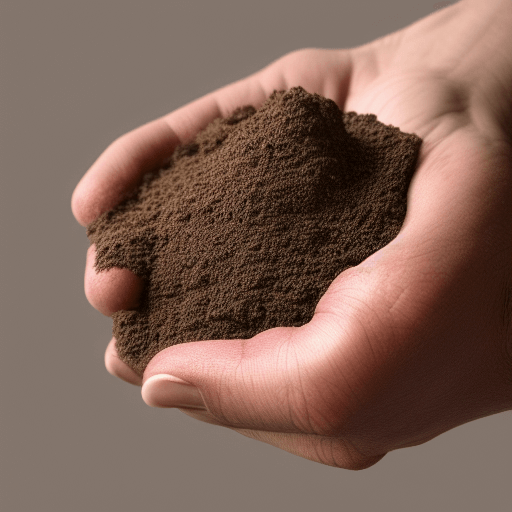
This type of soil is teeming with microorganisms, including leaner, fungi, and protozoa. These organisms help to break down organic matter and release nutrients into the soil.
In contrast, abiotic soil is non-living and does not contain any organic matter.
This type of soil is typically found in deserts or other arid environments. Although it lacks the food-rich environment of biotic soil, abiotic soil can notwithstanding back up plant life if information technology contains enough moisture and sunlight.
What are the biotic and abiotic factors that contribute to soil germination?
Soil is essential for supporting institute life, simply information technology does not form overnight.
Rather, information technology is the result of a long and complex process that involves both biotic and abiotic factors.
Biotic factors are living organisms, such as bacteria, fungi, and earthworms, that help to break down organic thing and release nutrients into the soil.
Abiotic factors are not-living elements, such as climate, rock blazon, and amount of rainfall, that contribute to the formation of soils.
Over fourth dimension, these factors work together to create the various assortment of soils that we see today.
Without them, plants would not exist able to take root and grow. As such, they play a vital role in the maintenance of our globe's ecosystems.
What are some of the benefits of biotic soil and abiotic soil?
Soil is essential for plant growth and fertility.
It is made up of both biotic and abiotic components, each of which provides essential nutrients and benefits. Biotic soil includes living organisms such as leaner, fungi, and worms.
These organisms assist to decompose organic thing, release nutrients, and better drainage. Abiotic soil includes inorganic materials such as sand, clay, and minerals.
These materials help to aerate the soil, retain moisture, and provide essential nutrients. Together, biotic and abiotic soil components create a dynamic environment that supports plant growth.
Why is information technology important to know whether the soil is biotic or abiotic
Soil is a circuitous and always-irresolute surround that supports a variety of plant and animal life.
To understand how soil functions, it is necessary to know whether the soil is biotic or abiotic.
Biotic soil contains living organisms, such as leaner, fungi, and worms.
These organisms play an important role in breaking down organic thing, aerating the soil, and providing nutrients for plants.
Abiotic soil does not incorporate any living organisms. Instead, it is fabricated up of inorganic materials, such every bit sand, clay, and rocks.
Although abiotic soil is not alive, it nevertheless plays an of import office in plant growth. For example, sand helps to improve drainage, while clay helps to retain moisture.
By knowing whether the soil is biotic or abiotic, growers tin can better understand how to manage the soil and support institute growth.
Commodity Sources
Jacks of Science sources the virtually administrative, trustworthy, and highly recognized institutions for our commodity research. Larn more virtually our Editorial Teams procedure and diligence in verifying the accuracy of every article we publish.


Is Glass Abiotic Or Biotic,
Source: https://jacksofscience.com/is-soil-biotic-or-abiotic/
Posted by: landisdrecandlere.blogspot.com
0 Response to "Is Glass Abiotic Or Biotic"
Post a Comment